
How to Choose an Auto Agent in California Who Delivers Real Service and Results
Current as of November 2026.
Fifteen days. Under California's Fair Claims Settlement Practices Regulations,
after notice of a claim, a carrier usually must acknowledge it, begin any needed investigation, provide required forms and give reasonable assistance within no more than 15 calendar days
. That number is a legal limit, not a service promise, and it shows you the gap between doing the minimum and doing the job well. Say a commuter in Ontario gets rear-ended on the 10 at rush hour. One carrier sends forms on day fourteen. Another has a rental lined up by that afternoon. Both followed the law. So the answer to what real service looks like is simple: it's how fast and how clearly someone moves your claim along, and whether your policy was set up right before you ever needed it.
How often do California drivers end up leaning on their policy?
Every registered driver in the state carries a liability policy or an approved alternative, so this affects millions of people. The floor went up recently.
Effective January 1, 2025, California raised the minimum limits for standard private-passenger auto liability coverage to $30,000 for bodily injury or death to one person, $60,000 for two or more people in one accident, and $15,000 for property damage.
Before that,
the minimum limits hadn't changed since 1967.
From behind the wheel, those numbers sound fine until you do the math. A minor bumper repair can run a few hundred dollars. A crash involving a newer SUV, an injured passenger and a few weeks of missed work can climb into the tens of thousands quickly. If you cause that crash and your limits are at the state minimum, anything above them can land on you.
Why does good service matter more for some drivers than others?
Two drivers can buy policies that look the same on paper and get very different results after a loss, because the way you use your car decides which gaps show up.
Take long-distance commuters first. Someone driving from Rancho Cucamonga to downtown Los Angeles every day can't go without a car for a week. For them, quick claim handling and rental reimbursement count for more than almost anything else, since each day without a vehicle costs work hours or rideshare fares.
Rideshare and delivery drivers face a different problem. A personal auto policy may treat the time you're logged into an app differently from regular driving, depending on your policy. The danger isn't the big crash. It's the minor one that happens while you're waiting for a ride request, when nobody's sure whose policy applies.
Families adding a teen driver run into a third issue. A new driver changes your risk, and the bigger question is whether your liability limits still fit a household with more drivers, more miles and more chances for a costly mistake.
Then there are the tradespeople. Electricians, HVAC techs and mechanics often keep thousands of dollars in tools in a truck or van, and a standard auto policy may not cover equipment stored inside the vehicle. Some employers handle that gap directly, as in this example of a technician tools protection program built for a local service company.
Financed and leased cars round out the list. If your car is totaled in its first year or two, the payout may come in below what you still owe the lender. A good advisor brings that up before you drive off the lot.
What does a badly handled claim actually cost you?
The direct costs go up with the car. On an older commuter sedan, a slow claim may mean a few hundred dollars in extra rental days or a deductible you didn't expect. On a newer truck or EV with sensors in the bumpers, repairs can run into the thousands, and a total loss on a financed vehicle can leave you owing $20,000 or more on a car you no longer have.
Getting around takes a hit too. In the Inland Empire, where many people drive 40 miles or more each way, losing a car for two weeks can put a job at risk.
The legal side is where the costs grow fastest. The 2025 property damage minimum is $15,000. If you hit a late-model luxury car, or cause a chain-reaction crash on the 15, the damage can go well past that, and a lawsuit may follow you for the difference.
What should you ask before you sign a policy?
Start with the person, not the price. State regulators run a free lookup where
using a license number or name, you can retrieve the license details, including enforcement actions
for any agent or agency. It takes two minutes and shows any past discipline.
Next, ask questions that show how a policy would work in your real life. Will it respond if you're logged into a delivery app? Does it include rental reimbursement, and for how many days? Who answers the phone on a Saturday after a crash?
If you're financing, ask the dealer and lender whether gap protection is required, and compare the dealer's price with what a carrier would charge. Ask repair shops whether they'll work directly with your carrier. Keep your maintenance records, a few dated photos of your car's condition and your purchase paperwork in one place. Those documents can settle a dispute about pre-existing damage in your favor.
What are the red flags that a policy won't hold up?
The most common warning sign is a quote far below everything else you've seen. Usually it's cheap because of something left out, like uninsured motorist protection waived without a clear explanation, a high deductible you didn't choose on purpose, or liability set at the state minimum.
Watch for vague answers too. If nobody can tell you in plain words what happens on day one of a claim, assume it will be slow.
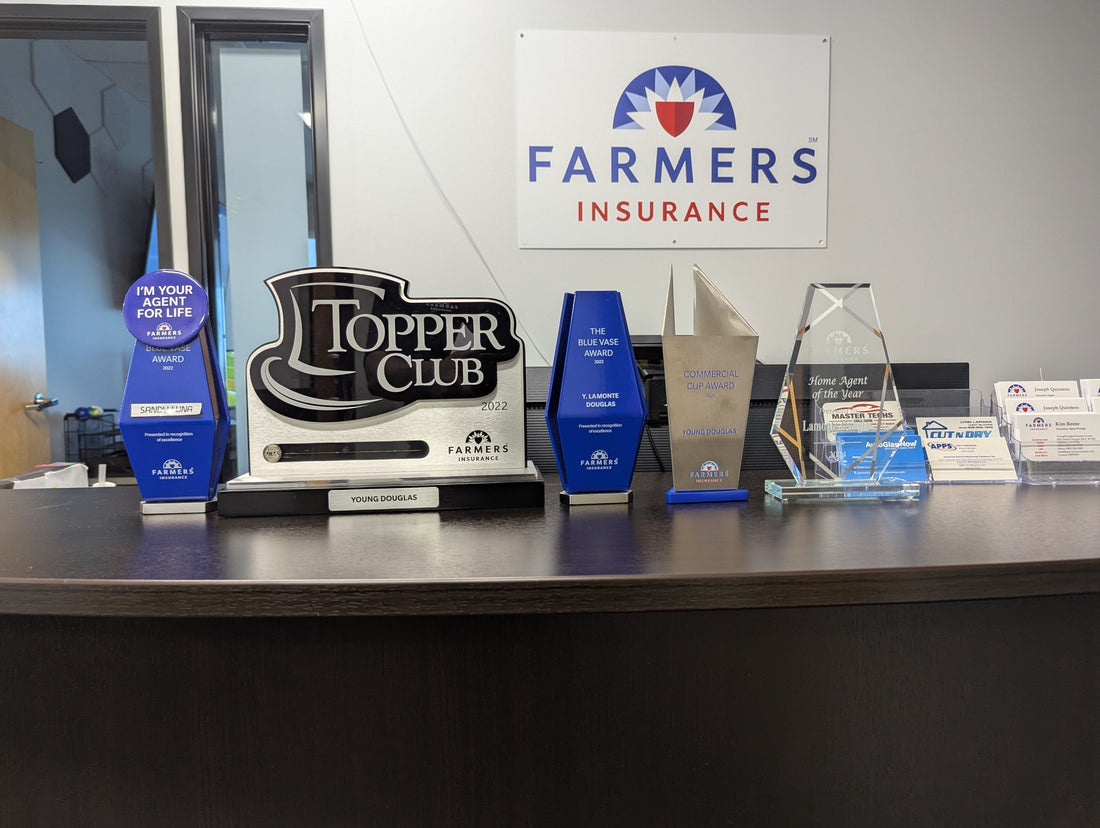
Build a backup plan before you need one. Know which repair shop you trust, keep some money set aside to cover your deductible, and work out how you'd get to work if your car were gone for two weeks. Awards like this award-winning coverage service recognition can point to a track record, but the license record and straight answers to your questions are the stronger evidence.
How do prepared drivers recover faster after a crash?
They know the deadlines that apply to them. Under Vehicle Code section 16000,
each driver must send the DMV a report within 10 days after a crash that causes more than $1,000 in property damage or injures or kills anyone.
That report is separate from anything you file with your carrier.
Prepared drivers also take photos at the scene, get the other driver's details and keep receipts for towing and rentals. A well-maintained car with clean records is easier to value fairly. Prevention is cheap, and it pays off.
One thing to do this week
Find your current policy's declarations page. It's usually a PDF in your carrier's app or email. Write down your liability limits, your deductibles, and whether you have rental reimbursement and uninsured motorist protection. Then put a copy in your glove box with a blank accident checklist. It takes about ten minutes, and you'll know exactly where you stand.
Common Questions
What is the minimum car coverage required in California in 2026?
California requires liability coverage of at least $30,000 per person and $60,000 per accident for injury or death, plus $15,000 for property damage.
These limits took effect January 1, 2025. Many drivers choose higher limits because serious crashes can cost far more than the minimum.
How long does a carrier have to accept or deny my car claim in California?
After receiving proof of claim, a carrier usually must accept or deny the claim in whole or in part within no more than 40 calendar days.
Once a settlement is reached, payment usually must be issued within no more than 30 calendar days.
More complicated claims can take longer if the carrier sends written notice explaining why.
Do I have to report a minor fender bender to the DMV?
Only if it meets the threshold.
If no one was injured or killed, and no single person's property damage passed $1,000, the SR-1 is not required.
Repairs on modern cars pass that amount quickly, so check the estimate before you decide.
How can I check if a car coverage agent is licensed in California?
Use the state's free online license lookup. You can search by name or license number, and the record shows the license status along with any enforcement actions.
Protecting Your Drive With the Right Auto Coverage
Good service shows up before the crash, in liability limits that fit your life, uninsured and underinsured motorist protection that's explained clearly, and rental reimbursement sized to your commute. At Farmers Insurance - Young Douglas, the agents go through your declarations page with you, point out gaps like missing gap coverage on a financed car or rideshare coverage for app-based driving, and stay with you through a claim from the first call to the final payment. Depending on your policy, that may also include collision, complete, medical payments, roadside assistance or umbrella liability for drivers who want more protection above their auto insurance limits. If you'd like a second opinion on what you carry now, you can review your current coverage for free.
Sources:
- California Department of Insurance. "License Status Inquiry." California Department of Insurance. cdicloud.insurance.ca.gov/cal/
- Auto Claim Consultants. "California Car Accident Claim Time Limits & Deadlines." Auto Claim Consultants, 2026. autoclaimconsultants.com/blog/california-insurance-claim-time-limit-for-car-accidents
- Collision Assistant. "California SR-1 Form: How to Report a Crash to the DMV." Collision Assistant, 2026. collisionassistant.com/blog/california-sr-1-form-reporting-a-car-accident-to-the-dmv/
DISCLOSURE: This article may feature independent professionals and businesses for informational purposes. Farmers Insurance - Young Douglas collaborates with some of the professionals mentioned; however, no payment or compensation is provided for inclusion in this content.