
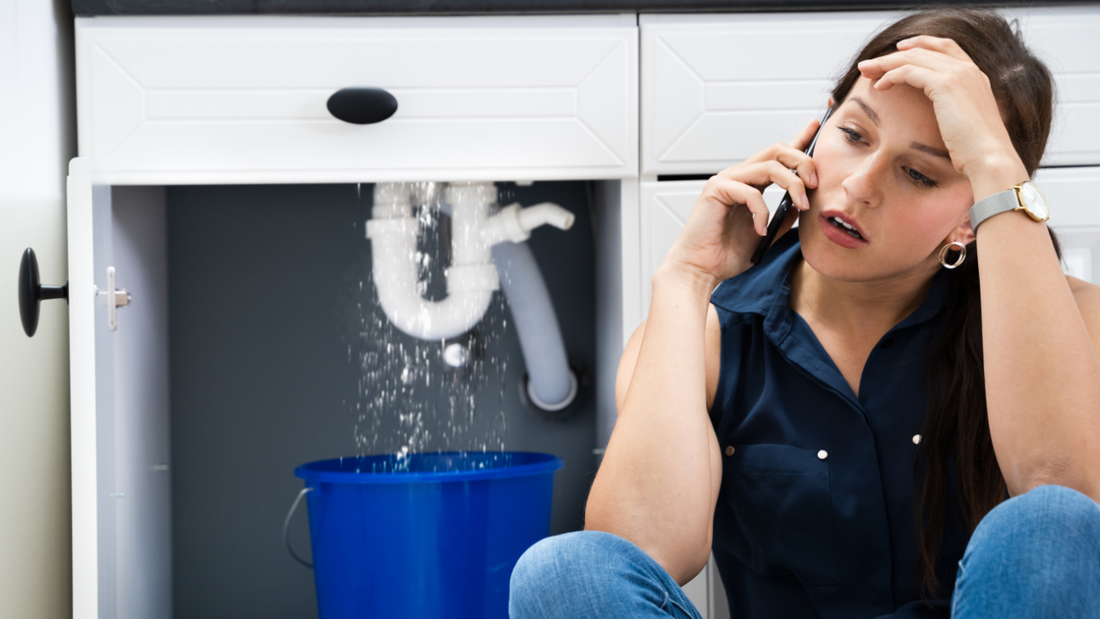
Whole-House Leak Detection: How Shutoff Valves Limit Damage
A whole-house leak detection system watches the water flowing into your home and can shut it off when something looks wrong. If you are researching insurance leak detection devices, start with what the U.S. Environmental Protection Agency (EPA) says: these devices "can help you identify leaks or alert you when there is irregular water use in your home and reduce the water waste and damage caused by leaks". Some systems only alert you. Others close a valve on the main line.
Picture a family in Rancho Cucamonga leaving for a week-long trip while a washing machine hose starts to fail. This guide explains how the technology works, what the numbers say about leaks, and where Southern California rebates may help.
Key takeaways
- EPA says the average household's leaks can waste more than 9,300 gallons of water a year.
- Leak devices use moisture sensors, flow monitoring, or both, and some can trigger an automatic shutoff valve.
- Triple-I data lists an average claim severity of $15,400 for water damage and freezing, 2019 to 2023.
- Metropolitan Water District offers a base $100 incentive for qualifying flow monitor devices in a limited pilot.
How Much Water Leaks Waste
EPA's WaterSense program runs Fix a Leak Week each March, with 2026 dates of March 16 through 22. Its leak facts are worth knowing:
- "The average household's leaks can account for more than 9,300 gallons of water wasted every year".
- "Household leaks can waste nearly 1 trillion gallons of water annually nationwide".
- "nine percent of homes have leaks that waste 50 gallons or more per day"
- "A leaky faucet that drips at the rate of one drip per second can waste more than 3,000 gallons per year".
EPA also says fixing easily corrected household leaks "can save homeowners about 10 percent on their water bills". A WaterSense fact sheet on leak detection devices adds that "a stuck fill valve in a toilet can waste 4,300 gallons of water per day and up to $1,400 in water costs per month".
What Water Damage Claims Look Like
Waste on the water bill is one side of the problem. Damage to floors, walls, and cabinets is the other. The Insurance Information Institute (Triple-I) publishes homeowners loss data from ISO, a Verisk Analytics business. In its table of average homeowners losses for 2019 to 2023, "Water damage and freezing" shows a claim frequency of 1.50 claims per 100 house years and an average claim severity of $15,400.
Triple-I defines claim severity as "indemnity costs per accident year incurred claims," excluding loss adjustment expenses. These are national figures, and your own situation may differ.
How Whole-House Leak Detectors Work
EPA's leak detection and flow monitoring page explains the two basic methods: "These devices rely on moisture detection, which alerts homeowners to unexpected dampness, or flow monitoring, which measures how much water is flowing and detects water consumption patterns that may be indicative of a leak or other irregularity".
The WaterSense fact sheet sorts devices by where they sit:
- Point-of-use devices work at single fixtures and include "moisture detection sensors, which use electrodes to sense when water is present, and in-line flow monitoring devices that send an alert if water is flowing continuously".
- Point-of-entry devices sit on the main water line and "track the water use of an entire home or building".
A whole-house system is a point-of-entry device. Because it tracks all the water entering the home, it is not limited to one room or fixture.
Alarms vs Automatic Shutoff Valves
An EPA WaterSense technical sheet for homes describes the tradeoffs. Moisture-sensing devices "use electrodes to detect water as it appears in a designated area and sound an alarm or activate a shut-off valve". Flow monitoring devices "record water flow or water pressure in pipes to detect irregularities".
In-line systems "typically come with shutoff capabilities," but they are "more invasive and likely require a plumber to install within water piping". The sheet also flags placement issues, including making sure the device does not interfere with fire sprinkler systems.
Here is a simple way to think about the choice:
- Spot sensors under sinks, near the water heater, and behind the washer are easy to place, but only catch water where they sit.
- Flow monitors watch the whole home and can send alerts.
- Flow monitors with a shutoff valve can stop the water on their own, even when no one is home.
Insurance Leak Detection and Your Premium
EPA's WaterSense fact sheet lists several benefits of these devices, saying they can "reduce insurance premiums, provide insights on water use, and protect local water supplies". Whether a device earns a discount, and how much, depends on the insurance company and the policy. Ask before you buy, and keep your receipt and installation records.
A device also does not change what a policy covers. Our post on the West Hollywood water main break walks through how water damage questions come up after an event.
Southern California Rebates
The SoCal Water$mart flow monitoring device page states: "Metropolitan offers a base incentive of $100 for qualifying flow monitor devices". Metropolitan is "a consortium of 26 cities and water districts that provides drinking water to nearly 19 million people in parts of Los Angeles, Orange, San Diego, Riverside, San Bernardino and Ventura counties". The page also notes: "This is a pilot program; funding is limited".
Read the rules before buying. The program's FAQ says the "Applicant must install and activate device prior to submitting rebate application". It also warns that "Improperly installing a leak detector device could hinder operation of fire sprinklers".
A Quick Leak Check You Can Do Today
- Meter test. EPA suggests you "Check your water meter before and after a two-hour period when no water is being used".
- Toilet dye test. Place a few drops of food coloring in the tank. EPA says if color shows up in the bowl after 10 minutes, you have a leak.
- Monthly use review. EPA says: "If a family of four exceeds 12,000 gallons per month, there could be serious leaks".
If you are buying a home, an inspection can miss water problems. Read what happened when a roof leaked after move-in, and browse our housing advice library.
Frequently Asked Questions
Does a leak detector shut off the water by itself?
Only some do. EPA's technical sheet says moisture sensors can "sound an alarm or activate a shut-off valve," and in-line systems "typically come with shutoff capabilities". Alarm-only devices depend on someone responding, so check the product details before you buy.
Do I need a plumber to install one?
For in-line systems, likely yes. EPA says they are "more invasive and likely require a plumber to install within water piping". Spot moisture sensors are simpler. SoCal Water$mart notes that "Some devices may require professional installation".
Can a leak detector lower my premium?
It may. EPA's WaterSense fact sheet says these devices can "reduce insurance premiums". Discounts vary by insurance company and policy, so ask your agent what qualifies and what proof is needed.
Protect the Home You Worked For
At Farmers Insurance - Young Douglas, we help California homeowners review water damage coverage and ask about available discounts for protective devices. Coverage depends on your policy. Get a free quote and coverage review with our team.
Sources: U.S. EPA WaterSense: Fix a Leak Week, Leak Detection and Flow Monitoring Devices, Leak Detection and Flow Monitoring Devices fact sheet, Leak Detection and Flow Monitoring Systems tech sheet; Triple-I: Facts + Statistics: Homeowners and renters insurance; SoCal Water$mart: Flow Monitoring Device, Flow Monitoring Device FAQ.
Last updated: September 23, 2026.